Understanding the CASEL Framework: 5 Core Competencies Every Teacher Should Know
16th March 2026

Classrooms today are no longer focused only on academic performance. Teachers are increasingly expected to nurture emotional intelligence, empathy, collaboration, and responsible decision-making among students. As education systems worldwide recognise the importance of social and emotional learning (SEL), frameworks like CASEL have become essential tools for educators striving to create supportive and inclusive learning environments.
Many educators deepen their understanding of these approaches through advanced professional development programs, such as an online applied doctorate certificate in education, which explores modern learning frameworks and leadership strategies in education.
In this blog post, we explore the CASEL framework and break down its five core competencies, helping teachers understand how these skills can support both student well-being and academic success.
What Is the CASEL Framework?
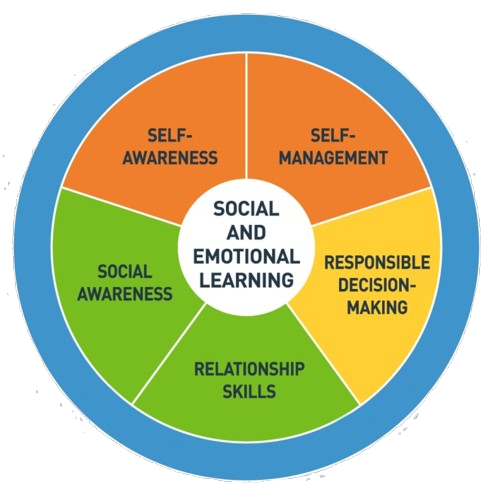
The CASEL framework, developed by the Collaborative for Academic, Social, and Emotional Learning (CASEL), is one of the most widely recognised models for implementing social and emotional learning in schools.
The framework identifies five key competencies that help students develop essential life skills such as emotional awareness, empathy, and responsible decision-making. These competencies are designed to support students in managing emotions, building positive relationships, and making thoughtful choices in academic and social settings.
For teachers, understanding the CASEL framework provides practical strategies for integrating emotional and social development into everyday classroom activities.
Why Social and Emotional Learning Matters in Education
Research consistently shows that social and emotional learning plays a significant role in student success. Students who develop strong emotional awareness and interpersonal skills are more likely to demonstrate improved academic performance, better classroom behaviour, and stronger relationships with peers and teachers.
Teachers who incorporate SEL practices often observe:
- Improved classroom engagement
- Stronger student collaboration
- Reduced behavioural challenges
- Increased empathy and respect among students
By integrating SEL frameworks like CASEL into teaching practices, educators create learning environments where students feel safe, supported, and motivated to learn.
The 5 Core Competencies of the CASEL Framework
The CASEL framework identifies five interconnected competencies that support students' social, emotional, and academic development.
1. Self-Awareness
Self-awareness refers to the ability to recognise one’s emotions, thoughts, and values and understand how they influence behaviour.
Students who develop self-awareness can:
- Identify their emotional responses
- Recognise their strengths and limitations
- Build confidence in their abilities
Teachers can support self-awareness by encouraging reflection activities, journaling exercises, and discussions that help students understand their feelings and motivations.
2. Self-Management
Self-management focuses on the ability to regulate emotions, manage stress, and stay motivated in challenging situations.
This competency helps students:
- Control impulsive behaviour
- Set personal goals
- Manage frustration and stress
- Stay focused on learning tasks
Teachers can promote self-management by introducing strategies such as goal setting, mindfulness exercises, and time-management activities.
3. Social Awareness
Social awareness involves understanding and empathising with others, including individuals from diverse backgrounds and cultures.
Students with strong social awareness are better able to:
- Recognise the feelings of others
- Appreciate different perspectives
- Demonstrate respect and empathy
Teachers can strengthen this competency through group activities, discussions about cultural perspectives, and collaborative classroom projects.
4. Relationship Skills
Relationship skills help students build healthy, positive relationships with peers and adults.
These skills include:
- Effective communication
- Conflict resolution
- Teamwork and collaboration
- Active listening
Teachers play a crucial role in modelling respectful communication and encouraging students to work together in cooperative learning environments.
5. Responsible Decision-Making
Responsible decision-making refers to the ability to make thoughtful choices about personal behaviour and social interactions.
Students who develop this competency learn to:
- Evaluate consequences before acting
- Consider ethical standards
- Make responsible and constructive decisions
Teachers can encourage responsible decision-making by presenting real-life scenarios, encouraging discussions about choices, and helping students reflect on outcomes.
Integrating the CASEL Framework into the Classroom
Implementing the CASEL competencies does not require a separate curriculum. Instead, teachers can integrate SEL principles into everyday classroom practices.
Some effective strategies include:
- Incorporating reflective discussions into lessons
- Using collaborative learning activities
- Encouraging student goal-setting
- Creating opportunities for peer feedback
- Modelling empathy and respect in classroom interactions
Educators who explore advanced educational research through programs like an Applied Doctorate in Education often gain deeper insights into frameworks such as CASEL and how they can transform classroom learning environments.
The Long-Term Impact of Social and Emotional Learning
The benefits of SEL extend far beyond the classroom. Students who develop strong social and emotional competencies are better prepared to navigate personal relationships, professional challenges, and community responsibilities later in life.
Schools that prioritise SEL often see improvements in:
- Academic achievement
- Student well-being
- Classroom climate
- Conflict resolution skills
For teachers, understanding and applying frameworks like CASEL supports the development of well-rounded learners who are both academically capable and emotionally resilient.
Final Thoughts
The CASEL framework provides educators with a clear and practical approach to nurturing social and emotional learning in the classroom. By focusing on self-awareness, self-management, social awareness, relationship skills, and responsible decision-making, teachers can help students develop essential life skills alongside academic knowledge.
As education continues to evolve, frameworks that support emotional intelligence and holistic learning are becoming increasingly important. Educators who expand their expertise through advanced professional development, such as an online applied doctorate certificate in education, can further strengthen their ability to implement impactful learning strategies that support both student success and long-term personal growth.
Frequently Asked Questions (FAQs)
1. What is the CASEL framework in education?
The CASEL framework is a widely used model for social and emotional learning that identifies five key competencies: self-awareness, self-management, social awareness, relationship skills, and responsible decision-making.
2. Why is the CASEL framework important for teachers?
The framework helps teachers support students’ emotional development, improve classroom relationships, and create positive learning environments that enhance academic success.
3. How can teachers implement the CASEL framework in classrooms?
Teachers can integrate SEL strategies through reflective discussions, collaborative learning activities, emotional check-ins, and classroom practices that promote empathy and responsible decision-making.
4. What are the five core competencies of the CASEL framework?
The five competencies include self-awareness, self-management, social awareness, relationship skills, and responsible decision-making, all of which support students’ emotional and social growth.
5. Can social-emotional learning improve academic performance?
Yes. Research shows that students who develop strong social and emotional skills often demonstrate improved focus, better behaviour, stronger relationships, and higher academic achievement.
Written By : Park Jin Ae

