Why Behaviour Is Communication And How Special Educators Read It
9th February 2026
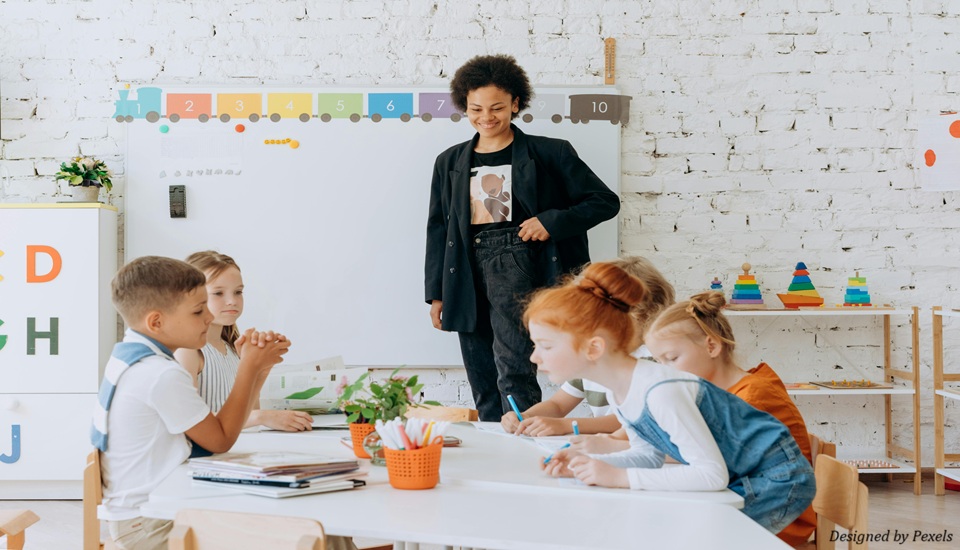
In special education settings, behaviour is rarely random or meaningless. What may appear as disruption, withdrawal, or resistance is often a learner’s way of expressing an unmet need, emotional overwhelm, or communication difficulty. For students with learning differences, behaviour becomes a language of its own, one that educators must learn to interpret with care and skill.
This understanding forms the foundation of effective special education practice and is a core focus in professional training pathways, such as a certification course in learning disability, where educators learn to move beyond surface-level behaviour and respond with insight rather than reaction.
What Does “Behaviour Is Communication” Really Mean?
The phrase “behaviour is communication” reflects the idea that every action serves a purpose. When a learner lacks the language, social skills, or emotional regulation to express themselves clearly, behaviour fills that gap.
For example:
- A child who avoids tasks may be communicating anxiety or confusion
- Repetitive behaviours may signal sensory overload
- Aggression may stem from frustration or the inability to express needs
- Withdrawal may indicate emotional distress or fear of failure
Understanding behaviour as communication shifts the educator’s role from disciplinarian to investigator.
Why This Perspective Matters in Special Education
When behaviour is viewed only as something to be corrected, opportunities for learning are missed. Special educators work with learners who may have learning disabilities, attention difficulties, or processing challenges, conditions where communication barriers are common.
Seeing behaviour as communication helps educators:
- Respond with empathy rather than punishment
- Identify triggers and unmet needs
- Build trust and emotional safety
- Support long-term skill development
- Reduce repeated behavioural incidents
This approach aligns closely with inclusive education principles and trauma-informed teaching practices.
Common Messages Hidden Behind Challenging Behaviours
Special educators are trained to look beyond what a learner is doing and ask why it’s happening.
Some common underlying messages include:
“I Don’t Understand”
Avoidance, refusal, or off-task behaviour often signals confusion or cognitive overload.
“This Is Too Much for Me”
Meltdowns or shutdowns may reflect sensory or emotional overwhelm rather than defiance.
“I Need Help but Don’t Know How to Ask”
Repeated calling out, interrupting, or physical behaviours can indicate unmet support needs.
“I Want Control or Predictability”
Resistance to transitions may stem from anxiety about change or uncertainty.
Recognising these messages is a skill developed through experience and targeted training.
How Special Educators Learn to Read Behaviour
Understanding behaviour as communication is a learned skill. Special educators develop this ability through structured observation, analysis, and reflective practice rather than assumptions or quick judgments.
1. Observing Behaviour Across Time and Settings
Special educators are trained to look beyond one-off incidents. Instead of focusing on a single outburst or refusal, they observe how behaviour appears across different times, activities, and environments.
This helps identify patterns, such as behaviours that occur during transitions, group work, or challenging tasks, offering valuable clues about what the learner may be experiencing or struggling with.
2. Identifying Triggers Before the Behaviour Occurs
One of the most important skills educators develop is understanding what happens before a behaviour. These triggers might include changes in routine, sensory overload, unclear instructions, or social demands.
By recognising these antecedents, educators can often prevent behaviours from escalating and adjust instruction or support proactively rather than reactively.
3. Understanding the Function of Behaviour
Special educators are taught to focus on why a behaviour occurs rather than how it looks. A behaviour may serve different purposes, such as avoiding a task, seeking attention, gaining control, or managing anxiety.
Training programs, including an online learning disabilities course for teachers, emphasise functional behaviour understanding so educators can respond in ways that meet the learner’s actual needs.
4. Using Data and Reflection Instead of Assumptions
Rather than relying on personal interpretations, special educators collect simple data, frequency, duration, or context of behaviours, to make informed decisions.
This data-driven approach reduces bias and helps educators design support strategies that are consistent, effective, and learner-specific.
5. Considering Developmental and Communication Levels
Special educators learn to interpret behaviour in relation to a learner’s developmental stage and communication abilities. What may seem inappropriate for one age group might be developmentally appropriate for another.
This perspective ensures that expectations remain realistic and that support focuses on skill-building rather than punishment.
6. Replacing Behaviour with Functional Skills
Once behaviour is understood, the focus shifts to teaching alternatives. Educators work on building communication, emotional regulation, and coping skills that allow learners to express themselves more effectively.
This skill-based approach is a key component of professional preparation through a learning disabilities certificate online, helping educators support long-term independence rather than short-term compliance.
Replacing “Fixing Behaviour” with Supporting Skills
Once behaviour is understood as communication, the response changes. Instead of trying to eliminate behaviour, educators focus on teaching alternative skills.
This may include:
- Functional communication strategies
- Emotional regulation techniques
- Visual supports and structured routines
- Sensory accommodations
- Explicit social skills instruction
The goal is not silence or compliance, but independence and self-expression.
Why Training Matters for Interpreting Behaviour Accurately
Misreading behaviour can lead to ineffective or even harmful responses. Without proper training, educators may unintentionally reinforce behaviours or overlook critical needs.
Specialised professional development helps teachers:
- Avoid punitive approaches
- Build inclusive classroom strategies
- Support learners consistently across settings
- Collaborate effectively with parents and specialists
This is why many educators pursue a learning disabilities certificate online to strengthen their ability to understand behaviour through a developmental and neurological lens.
Final Thoughts
Behaviour is one of the most honest forms of communication a learner has, especially when words are difficult or unavailable. For special educators, learning to read behaviour accurately is a critical professional skill that transforms classrooms into supportive, responsive learning environments. Through structured training, such as a certificate course in learning disability, educators gain the tools to interpret behaviour with clarity, empathy, and purpose, ensuring that every learner’s message is truly heard.
Frequently Asked Questions (FAQ)
1. Why is behaviour considered communication in special education?
Because many learners use behaviour to express needs, emotions, or challenges they cannot communicate verbally.
2. Is challenging behaviour always intentional?
No. Most behaviours are responses to unmet needs, sensory overload, confusion, or emotional distress.
3. How do special educators identify what behaviour means?
They observe patterns, identify triggers, and focus on the function of behaviour rather than the action itself.
4. Can behaviour be reduced without punishment?
Yes. When educators address the underlying cause and teach alternative skills, behaviours often decrease naturally.
5. What skills help educators read behaviour accurately?
Observation, functional analysis, understanding development, and reflective practice are key skills.
6. Does behaviour always indicate a learning difficulty?
Not always, but persistent or repeated behaviours often signal a support need that should be explored.
7. How does training help educators manage behaviour better?
Professional training helps educators respond with evidence-based strategies instead of assumptions or reactions.
8. Can parents apply this approach at home?
Yes. Viewing behaviour as communication helps parents respond calmly and consistently.
9. What happens when behaviour is misunderstood?
Misinterpretation can lead to ineffective strategies, increased frustration, and reduced learner confidence.
10. Why is this approach important for inclusive classrooms?
It promotes empathy, reduces stress, and supports meaningful learning for all students.
Written By : Victoria Lewis

