Sibling Voice: How to Include Brothers and Sisters in the IEP Journey
15th December 2025
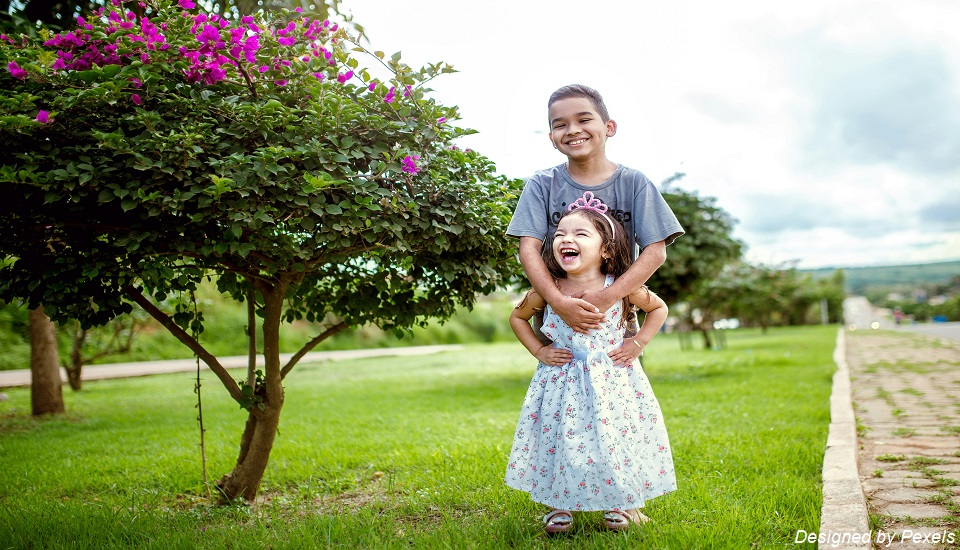
When a child has an Individualized Education Plan (IEP), the focus is often on assessments, goals, therapies, and school meetings. However, in many families navigating special education, there is another important perspective that deserves attention, the sibling’s.
Parents and caregivers involved in special needs education for parents, often work tirelessly to support their child’s learning and emotional well-being, but the experiences of brothers and sisters are sometimes unintentionally overlooked. Siblings observe daily routines, emotional changes, and challenges in ways that professionals may never fully see.
In this blog, we explore why sibling voice matters in the IEP journey, how parents can include siblings thoughtfully, and how doing so strengthens family relationships while supporting the child with special needs.
Why Siblings Matter in the IEP Journey
Siblings often have a front-row seat to your child’s daily life, far beyond what teachers or therapists see.
They notice:
- What triggers meltdowns at home
- What routines help calm their sibling
- What social situations feel hardest
- What small victories truly matter
Yet, they are rarely asked how they feel or what they’ve observed. Over time, this can lead to confusion, resentment, guilt, or emotional distance. Including siblings doesn’t mean placing responsibility on them, it means acknowledging their experience.
Understanding the Sibling Perspective (At Different Ages)
Not all siblings process special needs the same way. Their age and emotional maturity play a big role.
Young Children
They may feel:
- Confused about why their sibling gets “different rules”
- Worried when routines change
- Afraid to ask questions
Simple explanations and reassurance go a long way.
Pre-Teens & Teens
They may feel:
- Protective but emotionally overwhelmed
- Embarrassed in social settings
- Guilty for wanting independence
This age group benefits from honest conversations and being gently involved in discussions.
Adult Siblings
They often:
- Worry about long-term caregiving roles
- Want clarity about future planning
- Feel pressure to “step up” emotionally
Acknowledging these feelings early builds trust and reduces future stress.
How Including Siblings Strengthens the IEP Process?
When siblings are included thoughtfully, the IEP becomes more holistic and realistic.
It helps:
- Create consistency between school and home
- Improve sibling relationships
- Reduce misunderstandings and emotional burnout
- Foster empathy and shared responsibility (without pressure)
Most importantly, it reminds everyone that your child is part of a family, not just a plan.
6 Practical Ways to Include Siblings Without Overwhelming Them In IEP Journey
Including siblings in the IEP journey does not mean assigning them responsibility or expecting them to “manage” their brother or sister. It’s about giving them space, clarity, and reassurance in ways that feel safe and age-appropriate. These practical strategies help siblings feel involved without added pressure.
1. Share the “Why,” Not Just the “What”
Siblings often see accommodations or routines but don’t understand the reason behind them. When parents explain why certain supports exist—such as extra time, visual schedules, or therapy sessions, it reduces confusion and resentment. Simple explanations help siblings understand that these differences are about support, not favoritism.
2. Invite Observations, Not Responsibility
Siblings notice patterns that adults may miss, such as what triggers stress or what brings comfort at home. Asking them what they observe—without expecting solutions—allows them to feel heard while keeping adult decision-making where it belongs. This validates their experience without creating emotional pressure.
3. Create a Safe Space for Feelings
Siblings may experience a mix of emotions, including love, frustration, guilt, jealousy, or worry. Providing a judgment-free space where they can talk openly reassures them that their feelings are normal and accepted. Honest conversations help prevent emotional build-up over time.
4. Involve Them in Small, Positive Ways
Participation should feel light and meaningful, not like a task. Simple actions—such as helping choose a calming activity, celebrating progress, or joining in shared routines—allow siblings to connect positively with the IEP journey without feeling responsible for outcomes.
5. Protect Their Identity Outside the IEP
While inclusion is important, siblings also need space to be seen as individuals. Ensuring they have their own interests, achievements, and one-on-one time helps maintain balance. This separation prevents siblings from feeling defined only by their role in the family’s special education journey.
6. Let Involvement Change Over Time
Sibling participation doesn’t need to look the same at every stage. As children grow, their understanding and emotional capacity evolve. Checking in regularly allows parents to adjust how much involvement feels right, keeping the process flexible and supportive rather than rigid.
What Schools and Educators Can Do (And What Parents Can Advocate For)
Schools and educators are increasingly acknowledging that a child’s learning experience does not exist in isolation—it is deeply connected to family dynamics. While sibling inclusion is not yet standard practice everywhere, many schools are open to meaningful conversations when parents initiate them.
As a parent or caregiver, advocacy does not need to feel confrontational or demanding. Small, thoughtful requests can lead to positive change.
- Family-Centered IEP Conversations
Parents can encourage schools to view the IEP as part of a broader family context. This might involve discussing how school goals affect routines at home or sharing sibling-related observations that influence learning or behavior. Even brief acknowledgments of family dynamics can help educators better understand the child’s environment.
- Access to Resources or Counseling Support for Siblings
Some schools offer counseling services, social-emotional learning programs, or external referrals that can support siblings. Parents can ask whether such resources exist or if school counselors are open to informal check-ins. This helps siblings feel supported rather than overlooked.
- Sensitivity From Teachers Around Sibling Roles
Teachers may not always realize the emotional roles siblings take on at home. Parents can gently share insights, such as a sibling feeling protective, anxious, or withdrawn—so educators can respond with empathy. Simple awareness can prevent unintentional pressure or unrealistic expectations placed on siblings at school.
Ultimately, advocacy doesn’t require pushing for immediate solutions. Asking questions, sharing perspectives, and opening dialogue allows schools and families to work together in the child’s best interest.
4 Long-Term Benefits of Including Siblings Early In The IEP Journey
When siblings are included in thoughtful, age-appropriate ways from the start, the positive impact extends far beyond the IEP process itself.
1. Stronger Family Communication
Open conversations about learning needs, challenges, and progress encourage honesty and trust within the family. Siblings feel more comfortable asking questions and expressing emotions, reducing misunderstandings over time.
2. Greater Emotional Resilience
Siblings who are acknowledged and supported early are better equipped to manage complex emotions. They learn empathy, adaptability, and emotional awareness—skills that benefit them throughout life.
3. Informed and Compassionate Adulthood
Children who grow up understanding special needs develop into adults who are more accepting, patient, and informed. This awareness often shapes how they engage with diversity in workplaces, relationships, and communities.
4. Smoother Life Transitions
Early inclusion helps families navigate transitions more confidently, whether it’s changing schools, entering adulthood, or planning long-term support. Siblings who feel included are better prepared emotionally for future responsibilities.
Most importantly, including siblings early ensures that no one feels invisible. Every family member feels seen, valued, and supported—creating a stronger foundation for both the child with special needs and the family as a whole.
Final Thoughts
When families approach special education as a shared journey, everyone benefits, especially the child at the center of the IEP. Listening to sibling voices helps create understanding, empathy, and stronger family bonds that extend far beyond school years.
For parents exploring Special education courses for parents in India, gaining insight into family-centered approaches can empower you to support not just your child with special needs, but the entire family system with confidence and care.
Frequently Asked Questions (FAQs)
1. Why should siblings be included in the IEP journey?
Siblings are deeply affected by special education routines and changes at home. Including them helps build understanding, empathy, and healthier family relationships.
2. Does involving siblings mean giving them responsibility?
No. Inclusion is about listening and acknowledging their experiences—not assigning caregiving or decision-making responsibilities.
3. What if my child’s sibling feels uncomfortable talking about it?
That’s okay. Involvement should always be voluntary and age-appropriate. Even small conversations or check-ins can be meaningful.
4. Should siblings attend IEP meetings?
In most cases, formal IEP meetings are not necessary for siblings. Inclusion can happen through informal conversations at home instead.
5. How can I support siblings emotionally?
Create safe spaces for open dialogue, validate their feelings, and ensure they receive individual attention outside of special education discussions.
6. Can schools support siblings too?
Yes. Some schools offer counseling support, social-emotional resources, or family-centered approaches when parents advocate for them.
7. What are signs that a sibling may be struggling?
Withdrawal, increased anxiety, sudden behavior changes, or acting overly responsible can indicate emotional strain.
8. How early should siblings be included?
Inclusion can begin early through simple explanations and grows naturally as siblings mature and understand more.
9. Will including siblings help in the long run?
Yes. Early inclusion supports emotional resilience, smoother transitions, and stronger lifelong sibling relationships.
Written By : Victoria Lewis
