What No One Tells You About Supporting Undiagnosed Learners in Inclusive Classrooms
16th February 2026
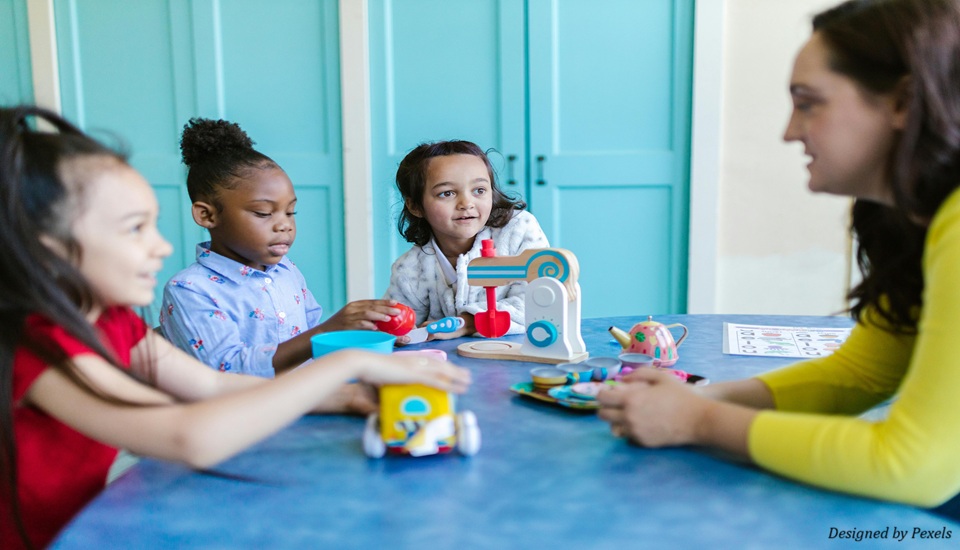
In almost every inclusive classroom, there is at least one learner who struggles, but without a label. No formal diagnosis. No documented learning plan. No official support framework. Just subtle signs: unfinished work, inconsistent performance, emotional reactions, or quiet withdrawal.
As teachers, you might find yourself wondering:
Is this a learning difficulty?
Is it attention-related?
Is it emotional?
Or am I overthinking it?
The reality is, not all learners who need support come with paperwork. And waiting for a diagnosis before responding can sometimes mean waiting too long.
This is where professional preparation, such as a Bachelor's in special education online, becomes invaluable, because it trains educators to notice patterns, interpret behaviours, and respond effectively even without formal labels. In this blog post, we will explore what truly happens in inclusive classrooms when learners remain undiagnosed and how educators can support them confidently and ethically.
The Hidden Reality of Undiagnosed Learners
No one tells you that supporting undiagnosed learners often feels like navigating without a map.
These students may:
- Appear distracted but are actually overwhelmed
- Avoid tasks because processing takes longer
- Struggle silently with reading or writing
- React emotionally due to sensory overload
- Underperform despite obvious intelligence
Without formal identification, these learners can easily be misunderstood.
And here’s the truth: inclusive education doesn’t wait for documentation. It responds to need.
Challenges of Supporting Undiagnosed Learners in Inclusive Classrooms
Supporting students without a formal diagnosis presents unique classroom challenges. While inclusive education promotes equal opportunity, teachers often work without structured documentation or specialist input when learners remain undiagnosed.
1. No Formal Diagnosis or Individualized Education Plan (IEP)
One of the biggest challenges is the absence of official documentation. Without a diagnosis, teachers do not receive structured accommodations, specialist guidance, or learning modification plans.
This means educators must rely on observation and professional judgment to decide:
- What adjustments to make
- How much support to provide
- When to escalate concerns
The uncertainty can create hesitation, especially in high-accountability school environments.
2. Difficulty Identifying the Root Cause of Learning Struggles
Undiagnosed learners may display signs that overlap across multiple areas, such as- Attention, Language processing, Memory, Executive functioning, or Emotional regulation.
Without assessment reports, it can be difficult to determine whether a learner is experiencing:
- A specific learning disability
- ADHD-related challenges
- Anxiety-related avoidance
- Sensory processing difficulties
This complexity requires careful pattern tracking rather than quick assumptions.
3. Risk of Mislabeling or Misinterpretation
When behaviours are misunderstood, learners may be labeled as:
- Unmotivated
- Disruptive
- Careless
- Inattentive
In reality, these behaviours may signal cognitive overload, confusion, or emotional distress. Misinterpretation can negatively impact learner confidence and teacher-student relationships.
4. Academic Gaps Can Develop Gradually
Undiagnosed learning difficulties often create subtle academic gaps rather than immediate failure. Students may “cope” temporarily, but underlying struggles with reading fluency, comprehension, writing structure, or organization may compound over time.
Without early classroom intervention, these gaps can widen and affect long-term outcomes.
5. Emotional and Social Impact on the Learner
Students who repeatedly struggle without understanding why may develop:
- Low self-esteem
- Fear of participation
- Avoidance behaviours
- Peer withdrawal
Supporting emotional well-being becomes just as important as academic support.
7 Effective Strategies for Supporting Undiagnosed Learners Without a Formal Diagnosis
Experienced educators know that waiting for a diagnosis is not an option. Instead, they implement inclusive, proactive strategies that support diverse learners immediately.
1. Use Universal Design for Learning (UDL) Principles
Design lessons with built-in flexibility:
- Multiple ways to access content (visual, auditory, hands-on)
- Multiple ways to express understanding
- Multiple engagement methods
This ensures that undiagnosed learners receive support naturally, without being singled out.
2. Track Behaviour and Learning Patterns Systematically
Rather than reacting emotionally, effective educators document patterns:
- When difficulties occur
- What tasks trigger them
- Environmental factors
- Peer interactions
This structured observation helps identify consistent areas of need and informs future decisions.
3. Implement Flexible Instruction and Assessment
Provide:
- Extra processing time
- Clear step-by-step instructions
- Graphic organizers
- Alternative assignment formats
These supports benefit all learners and reduce pressure on those who may be struggling silently.
4. Build Predictable and Structured Classroom Routines
Clear routines reduce anxiety and cognitive load. Consistency supports learners who struggle with executive functioning or transitions.
Predictability creates emotional safety, essential for learners experiencing undiagnosed challenges.
5. Focus on Strength-Based Teaching
Identify what the learner does well and build from there. When students experience success, their confidence increases, and resistance decreases.
Strength-based teaching also reduces classroom stigma.
6. Communicate Observations Professionally with Families
Use neutral, observational language:
- “I’ve noticed some consistent difficulty with multi-step instructions.”
- “I see patterns in reading fluency that may need additional support.”
Avoid speculation and focus on collaborative support.
7. Invest in Professional Development in Special Education
Teachers who pursue programs such as a B.Ed. in special educational needs, develop stronger skills in:
- Early identification of learning differences
- Differentiated instruction
- Behaviour interpretation
- Inclusive classroom planning
Professional preparation reduces uncertainty and increases classroom confidence.
Final Thoughts
Supporting undiagnosed learners in inclusive classrooms is one of the most complex and overlooked responsibilities educators carry. It demands awareness, patience, observation, and informed decision-making. Strengthening your expertise through a B.Ed. special education course equips you with the insight and strategies needed to respond ethically and effectively, ensuring that no learner is left unsupported simply because a diagnosis has not yet been made.
Frequently Asked Questions (FAQ)
1. Who are undiagnosed learners in inclusive classrooms?
Undiagnosed learners are students who show signs of learning or behavioural challenges but do not have formal documentation or assessment reports.
2. Can teachers support students without a formal diagnosis?
Yes. Teachers can implement inclusive strategies such as differentiated instruction, flexible assessment, and structured routines without waiting for a diagnosis.
3. Why is supporting undiagnosed learners challenging?
Without formal plans or accommodations, teachers must rely on observation and professional judgment to identify and respond to learner needs.
4. What are the signs a learner may need additional support?
Common signs include persistent academic struggles, difficulty following instructions, emotional withdrawal, or inconsistent performance.
5. How can inclusive teaching help undiagnosed learners?
Inclusive teaching methods, such as Universal Design for Learning (UDL), benefit all students and reduce barriers for those without formal identification.
6. Should teachers suggest formal assessments to parents?
Teachers should share observations respectfully and collaborate with families, focusing on support rather than labeling.
7. How can professional training help educators support undiagnosed learners?
Special education training strengthens skills in early identification, differentiated instruction, and behaviour interpretation.
8. Is waiting for a diagnosis harmful?
Delaying support until diagnosis can widen academic gaps and affect a learner’s emotional well-being.
9. What classroom strategies work best for undiagnosed learners?
Visual aids, structured routines, flexible deadlines, strength-based teaching, and emotional safety strategies are highly effective.
10. Why is early intervention important in inclusive classrooms?
Early support prevents small learning difficulties from becoming long-term academic or emotional challenges.
Written By : Ruchi Mehta

