What Is Hyperlexia? Signs Every UAE Teacher Should Know
10th March 2026
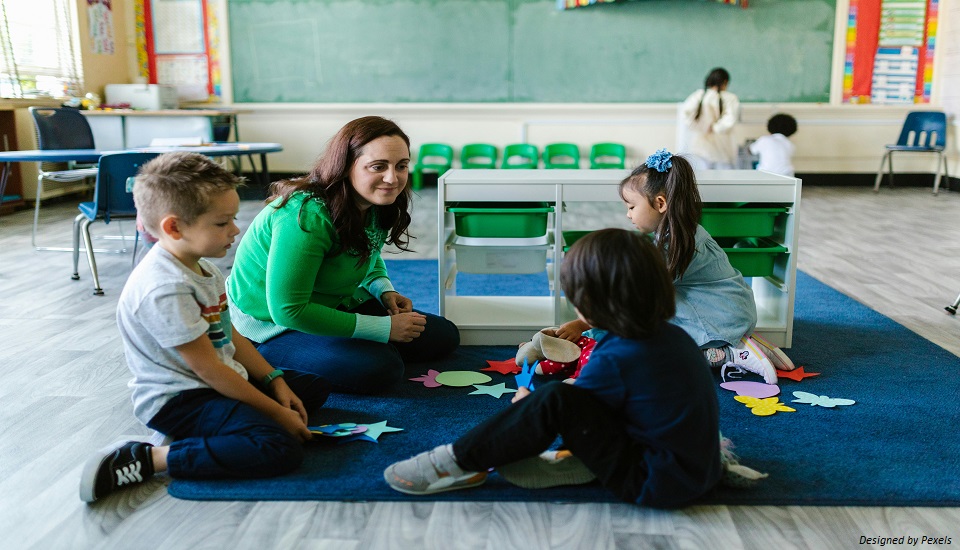
Some children surprise their teachers by reading words and sentences years before their peers.
Yet despite this advanced ability, they may struggle with comprehension, communication, or social interaction. This unique learning difference, known as hyperlexia, highlights the importance of specialised training, such as Special Education Courses in the UAE, for educators working in inclusive classrooms.
In this blog post, we will discuss what hyperlexia is, the key indicators teachers should know, and practical ways educators can support students who display these characteristics.
Understanding Hyperlexia
Hyperlexia is a learning difference characterised by a child’s exceptional ability to recognise letters and read words much earlier than expected for their age. Children with hyperlexia may begin reading words, numbers, or signs as early as two or three years old.
However, despite their strong decoding abilities, they often experience difficulty with:
- Understanding the meaning of what they read
- Social communication
- Conversational language
- Interpreting instructions or abstract ideas
In many cases, hyperlexia is associated with developmental conditions such as autism spectrum disorder, although it can also appear independently.
For teachers, the key challenge lies in recognising that advanced reading does not always mean advanced comprehension.
Why Teachers Should Be Aware of Hyperlexia
In early childhood and primary classrooms, hyperlexia can sometimes go unnoticed or misunderstood. A child who reads fluently at a young age may appear academically advanced, leading educators to overlook underlying comprehension or communication challenges.
Awareness allows teachers to:
- Identify learning differences early
- Adapt teaching strategies
- Support emotional and social development
- Collaborate effectively with parents and specialists
In diverse educational environments such as the UAE, where classrooms include students from multiple linguistic and cultural backgrounds, recognising unique learning profiles becomes even more important.
Key Signs of Hyperlexia SEN Teachers Should Recognise
Although each child is different, several common indicators can help teachers identify hyperlexia in the classroom.
1. Early and Advanced Reading Ability
Children with hyperlexia often begin reading well before their peers, sometimes recognising words, letters, or numbers without formal instruction. They may memorise entire books or frequently read signs, labels, and instructions around them.
However, they may struggle when asked questions about what they have read.
2. Strong Memory for Letters and Numbers
These children often demonstrate exceptional memory skills. They may quickly memorise:
- Alphabets and phonics patterns
- Numbers and counting sequences
- Road signs, logos, and labels
- Written routines or schedules
Their fascination with letters and symbols often becomes a dominant interest.
3. Difficulty with Verbal Communication
Despite strong reading skills, children with hyperlexia may struggle with spoken language. Teachers may notice:
- Limited conversational ability
- Difficulty answering open-ended questions
- Repetition of phrases from books or videos
- Challenges in expressing their thoughts clearly
This gap between reading ability and communication skills is a defining characteristic.
4. Strong Preference for Written Information
Children with hyperlexia often respond better to written instructions rather than verbal directions. Visual schedules, printed routines, and written cues may help them understand tasks more effectively.
Teachers might observe that the child performs better when instructions are written on the board rather than spoken aloud.
5. Social Interaction Challenges
Like many children with developmental learning differences, students with hyperlexia may experience difficulty with:
- Peer interaction
- Group activities
- Understanding social cues
- Maintaining eye contact during conversations
While these behaviours can vary, teachers should monitor patterns that consistently affect classroom participation.
Supporting Students with Hyperlexia in the Classroom
Early recognition allows educators to implement strategies that help children thrive academically and socially.
Use Visual Learning Supports
Visual aids such as charts, flashcards, and written instructions can help bridge comprehension gaps.
Focus on Language Development
Encourage activities that build vocabulary and conversational skills. Story discussions, role-play exercises, and guided reading can support comprehension.
Break Down Instructions
Providing clear, simple, step-by-step directions can help children process information more effectively.
Encourage Social Learning Opportunities
Structured group activities and peer collaboration can gradually improve communication and interaction skills.
Why Special Education Training Matters for Teachers
Modern classrooms require teachers to understand a wide range of learning profiles. Professional development programs focused on special education help educators recognise conditions like hyperlexia and implement effective teaching strategies.
Through specialised training, teachers learn how to:
- Identify early signs of learning differences
- Apply inclusive teaching approaches
- Support emotional and behavioural development
- Collaborate with parents and educational specialists
Such knowledge empowers educators to create classrooms where every child receives the support they need to succeed.
Final Thoughts
Hyperlexia is a fascinating learning difference that highlights how children can develop skills in unique ways. While early reading ability may appear impressive, teachers must look beyond surface strengths to understand the full learning profile of each student. Developing awareness through Special Education Courses in the UAE allows educators to recognise the signs of hyperlexia early and implement supportive strategies that nurture both academic progress and social development.
As inclusive education continues to grow across the region, teachers equipped with specialised knowledge will play a vital role in helping every learner reach their potential.
Frequently Asked Questions
1. What is hyperlexia in children?
Hyperlexia is a learning difference where children show advanced reading abilities at a very early age but may struggle with language comprehension, communication, or social interaction.
2. Is hyperlexia related to autism?
Hyperlexia is sometimes associated with autism spectrum disorder, although not all children with hyperlexia are autistic. Some children display hyperlexia independently as a unique learning profile.
3. What are the early signs of hyperlexia that teachers should notice?
Common signs include early word recognition, strong fascination with letters and numbers, difficulty understanding what they read, and challenges with verbal communication or social interaction.
4. How can teachers support students with hyperlexia?
Teachers can support students with hyperlexia by using visual learning tools, providing structured routines, encouraging language development activities, and collaborating with special education professionals.
5. Why should teachers learn about hyperlexia?
Understanding hyperlexia helps teachers recognise learning differences early and provide appropriate support, ensuring that students receive the right educational strategies to succeed.
Written By : Laura Taylor

